How to Design a Custom custom t-shirts: From Concept to Bulk Production
Design amazing custom t-shirts! Unlock your vision from concept to bulk production. Get a Free Quote today!
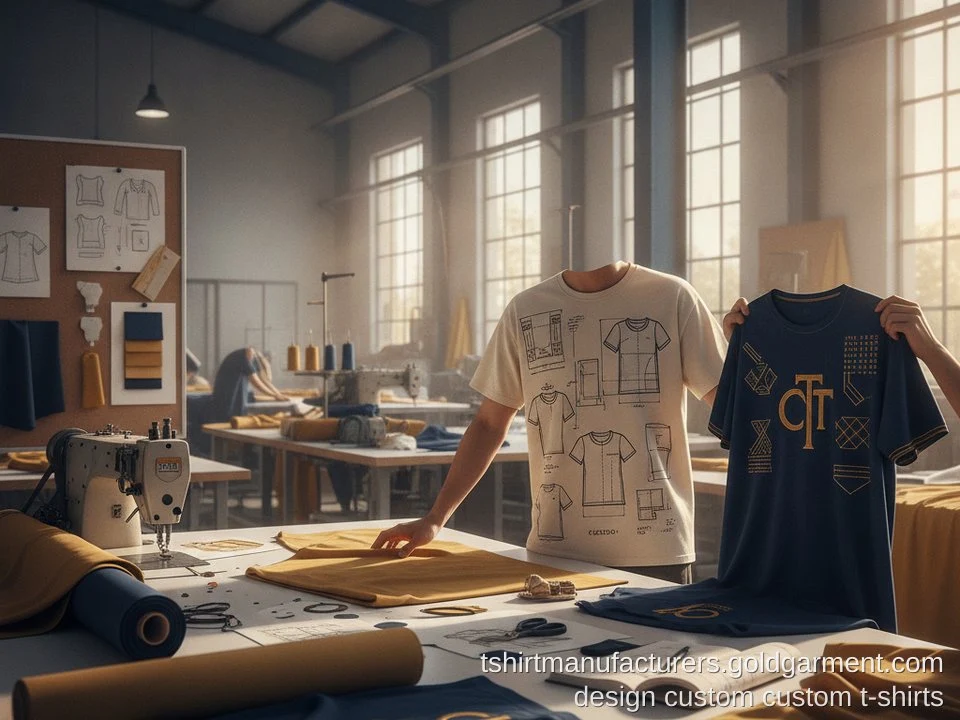
How to Design Custom T-Shirts: From Concept to Bulk Production
Launching a new apparel line or creating branded merchandise begins with a clear vision and a well-executed design. For brands venturing into custom t-shirts, understanding the process from initial concept to bulk production is crucial. This guide will walk you through the essential steps to effectively design custom custom t-shirts, ensuring your vision translates into a high-quality product that resonates with your target audience and meets manufacturing requirements.
Creating compelling custom t-shirts involves more than just a great graphic. It requires careful consideration of fabric, fit, printing techniques, and the overall brand aesthetic. Whether you're a startup seeking to establish your brand identity or an established company looking for promotional wear, mastering the design process is paramount. Let's explore how to bring your custom t-shirt ideas to life.
1. Define Your Concept and Target Audience
Before you even think about graphics, establish the core purpose and target audience for your custom t-shirts. Are they for a specific event, a promotional campaign, retail sales, or employee uniforms? Understanding your audience's demographics, style preferences, and the message you want to convey will heavily influence your design choices, from color palettes to graphic styles.
Consider the overall brand identity you want to project. If you're developing custom t-shirts design for brand, ensure the graphics and style align with your existing brand guidelines. This consistency is key to building brand recognition and trust.
2. Sketching and Digital Design
Start by sketching your ideas, even if you're not an artist. Rough sketches help visualize different layouts, graphic elements, and text placements. Once you have a clear concept, move to digital design tools. Popular choices include Adobe Photoshop, Illustrator, or even more accessible platforms like Canva.
When creating your digital artwork, pay close attention to resolution and file format. High-resolution files (typically 300 DPI) are essential for crisp, clear prints. Vector files (like AI or EPS) are often preferred for logos and graphics that may need to be scaled without losing quality. Understanding the requirements for your custom t-shirt artwork file is critical for a smooth production process.
3. Understanding T-Shirt Styles and Fabrics
The foundation of your custom t-shirt is its style and fabric. Different styles, such as crew necks, V-necks, polos, or henleys, offer distinct aesthetics and functionalities. Similarly, fabric choices – from classic cotton to performance polyester or comfortable tri-blends – significantly impact the feel, drape, and durability of the final product. As explained in our T-Shirt Styles Guide, selecting the right style and material is fundamental.
The choice of fabric also influences how your graphics will appear. For instance, vibrant colors often pop more on certain materials than others. Explore our custom t-shirts Fabric Guide to make informed decisions that suit your design and brand.
4. Developing a Tech Pack
A custom t-shirt tech pack is your blueprint for the manufacturer. It's a comprehensive document that details every aspect of your design, including:
- Measurements and Sizing: Precise dimensions for each size.
- Fabric Specifications: Type, weight, and color.
- Artwork Placement: Exact location, size, and color for all graphics and logos.
- Printing Techniques: Screen printing, DTG, embroidery, etc.
- Construction Details: Stitching, hemming, label placement, and any special features.
A detailed tech pack minimizes misunderstandings and ensures the manufacturer produces exactly what you envision. Creating an accurate tech pack is a vital step, and a detailed guide at Vietnam factory tech pack guide can be invaluable for this process.
5. Choosing Your Printing Method
The printing method you select will impact the look, feel, and cost of your custom t-shirts. Common options include:
- Screen Printing: Ideal for larger runs and designs with a limited number of colors, offering durability and vibrant results.
- Direct-to-Garment (DTG): Excellent for intricate, full-color designs and smaller print runs, as it prints directly onto the fabric.
- Heat Transfer Vinyl (HTV): Suitable for simple graphics and names/numbers, offering a professional finish.
- Embroidery: Provides a premium, textured look, often used for logos on polos or hats.
Discuss your design with your chosen manufacturer to determine the most suitable and cost-effective printing method. For brands looking for comprehensive manufacturing services, understanding different production models is also key, as outlined in our guide on OEM vs Private Label custom t-shirts Manufacturing.
6. Collaborating with Your Manufacturer
Once your design is finalized and your tech pack is complete, it's time to partner with a reliable t-shirt manufacturer. Look for a factory that understands your needs, offers competitive pricing, and can handle your desired order volume. For designers creating their first custom t-shirt collection, working with an experienced manufacturer like Gold Garment, based in Ho Chi Minh City, Vietnam, can be highly beneficial.
Gold Garment specializes in OEM, ODM, and private label t-shirt manufacturing, with a minimum order quantity (MOQ) of just 100 pieces per style. This flexibility is ideal for emerging brands. Their factory-direct pricing and extensive experience in serving markets across the USA, Europe, Australia, and Southeast Asia ensure quality and efficiency. You can learn more about the manufacturing process in our article, How custom t-shirts Are Made: The Complete Manufacturing Process Step-by-Step.
7. Prototyping and Sampling
Before committing to a large bulk order, always request a pre-production sample. This allows you to physically inspect the t-shirt, check the print quality, verify the fit, and confirm that all specifications from your tech pack have been met. It's a critical step in quality control and ensures you're satisfied before mass production begins.
This sample stage is also an opportunity to make any minor adjustments to the design or specifications. A real example of successful uniform production can be seen from Vietnam uniform t-shirt factory Gold Garment, showcasing their capability to deliver consistent quality for brand needs.
8. Bulk Production and Quality Control
Once you approve the sample, the manufacturer will proceed with bulk production. Reputable factories will have internal quality control measures in place throughout the production process. However, it's also advisable to have your own quality assurance plan, especially for larger orders. This might involve random inspections during production or a final inspection before shipment.
Understanding the implications of order size is also important. Our guide on Minimum Order Quantity for custom t-shirts provides essential insights for brands planning their production runs.
Frequently Asked Questions
Q: What is the best file format for custom t-shirt artwork?
A: For logos and graphics that need to be scaled without losing quality, vector formats like AI or EPS are ideal. For photographic or complex designs, high-resolution raster files (like PSD or TIFF) at 300 DPI are recommended. Always confirm the preferred format with your manufacturer.
Q: How do I ensure my custom t-shirt design will look good on different fabric types?
A: Consult with your manufacturer about how different inks and printing methods interact with various fabrics. A pre-production sample is the best way to see your design on the chosen fabric before committing to a large order.
Q: What is a tech pack, and why is it important for designing custom t-shirts?
A: A tech pack is a technical document that provides detailed specifications for garment manufacturing. It's crucial because it ensures clear communication between the designer and the manufacturer, minimizing errors and ensuring the final product matches the design intent.
Q: Can I get a custom t-shirt made if my order is less than 100 pieces?
A: While some manufacturers have higher MOQs, Gold Garment offers a flexible MOQ of 100 pieces per style, making it accessible for smaller brands and new collections.
Partnering with an experienced t-shirt manufacturer like Gold Garment, with their factory-direct pricing and global shipping, can transform your custom t-shirt design from a digital concept into a tangible, high-quality product ready for your market.
📩 Request a Free Quote — Response Within 5 Minutes
🌎 Website: tshirtmanufacturers.goldgarment.com
Factory-direct pricing · MOQ from 100 pcs/style · Sample development · Worldwide shipping


Nhận xét
Đăng nhận xét